

how to prepare for a mini facelift
Learning how to prepare for a mini facelift begins with a timeline. Medical clearance, medication review, nicotine avoidance, transportation, and a prepared recovery area support an organized surgical experience. This guide covers the month before a Mini Facelift. Candidacy, anesthesia, recovery, risks, and outcomes require individualized clinical assessment.
Key Takeaways
- Patients should begin preparations roughly one month before surgery, since medical clearance, lab work, and pre-operative appointments can take several weeks to complete.
- A thorough medication review with the surgical team identifies blood thinners, supplements, and prescriptions that may need to be paused before the procedure.
- Stopping nicotine use well ahead of the surgery date supports healthy blood flow and reduces the risk of healing complications.
- Arranging a responsible adult to provide transportation and stay nearby on the day of surgery is a standard safety requirement.
- Setting up a comfortable recovery space with easy access to medications, water, and snacks makes the first days at home far more manageable.
Dr. Mark G. Albert, MD, FACS of Albert Plastic Surgery approaches facelift planning through examination, expectations, and patient safety. This is general education, not a diagnosis or personalized medical instruction. Your surgeon’s written plan takes priority.
Understanding Your Mini Facelift Preparation Timeline
The most useful way to understand how to prepare for a mini facelift is to divide preparation into stages. About one month before surgery, confirm candidacy, disclose every medication and supplement, stop nicotine according to your surgeon’s instructions, and arrange help at home. During the final weeks, complete medical reviews and follow skin and fasting directions precisely. Preparation provides a framework for questions and decisions addressed during consultation; it is not a standard plan for every patient.
Introduction: Your Journey to Rejuvenation with Dr. Mark G. Albert
Dr. Mark G. Albert is certified by the American Board of Plastic Surgery and is a Fellow of the American College of Surgeons. His training includes plastic surgery residency and chief residency at the University of Massachusetts Medical School, followed by an aesthetic plastic surgery fellowship at Manhattan Eye, Ear, and Throat Hospital. Facelift planning involves more than skin removal. A surgeon evaluates skin quality, facial structure, soft-tissue laxity, incision placement, tissue handling, medical history, and the degree of change proportionate for your features.
Why a Comprehensive Pre-Surgery Plan Matters
A preoperative plan identifies issues that may affect bleeding, wound healing, anesthesia, or recovery. Bring an accurate list of prescriptions, over-the-counter products, vitamins, herbal preparations, allergies, prior operations, and health conditions. Ask who will provide instructions, which medications require adjustment, when normal activities may resume, and whom to contact if a concern develops. Plan for social downtime, transportation, household tasks, child or pet care, and privacy during early healing.
The 30-Day Countdown: Essential Steps Weeks Before Your Mini Facelift
Medical Consultation and Clearance: Confirming Candidacy
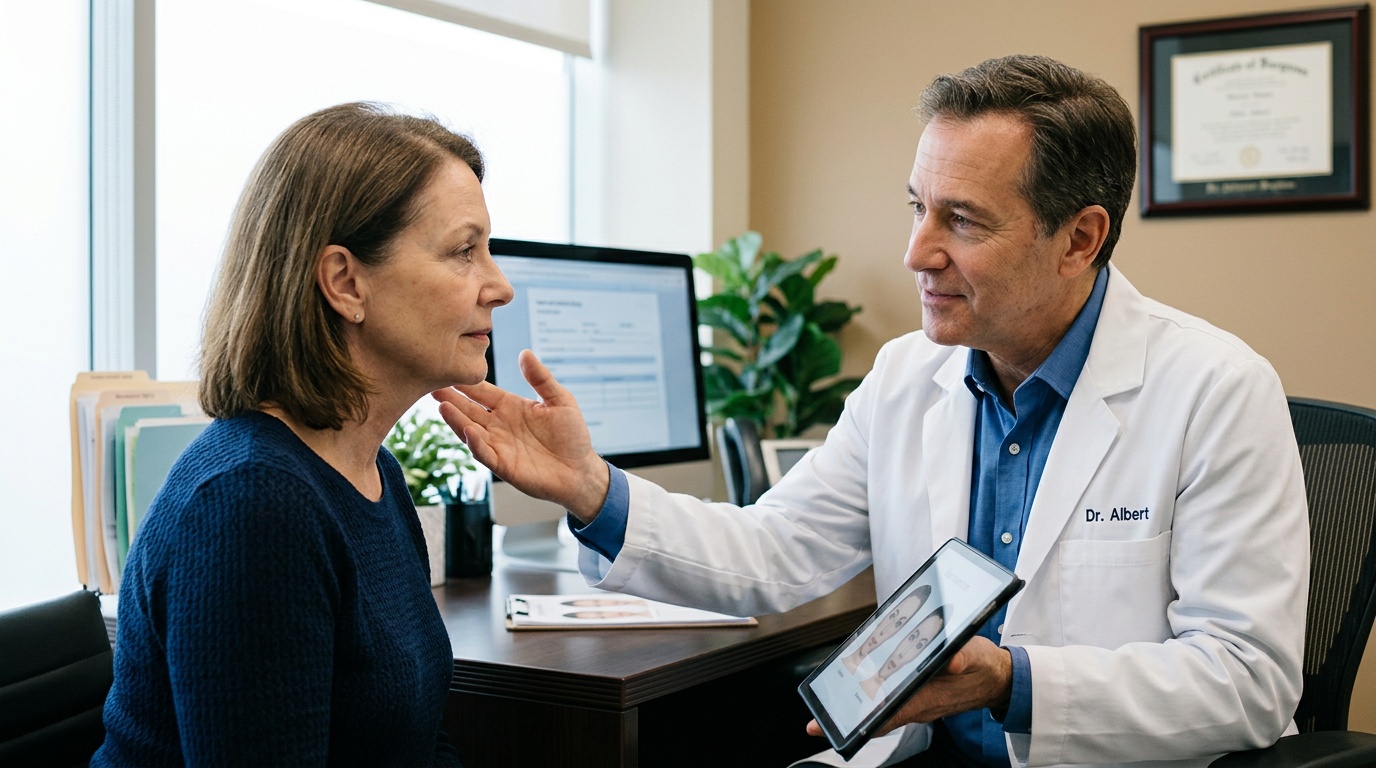
Your consultation turns general information into an individualized surgical plan. Dr. Albert will review your goals, examine facial laxity and skin, assess your health history, and discuss whether a Mini Facelift fits the location and degree of change you want. Ask about technique, incision placement, anesthesia, restrictions, follow-up, and risks such as bleeding, infection, unfavorable scarring, asymmetry, delayed healing, and changes in sensation. Age alone does not determine eligibility.
Medication and Supplement Review: What to Stop and Why
Give the surgical team a complete medication inventory early. Aspirin, ibuprofen, other nonsteroidal anti-inflammatory drugs, and high-dose vitamin E may prolong bleeding. The American Society of Plastic Surgeons states that patients should discuss medications and supplements with their surgeon before facelift surgery. Research guidance identifies at least 14 days as a common interval for stopping bleeding-affecting products, but timing depends on your health and why a medication was prescribed. Never stop a prescribed drug without direction from the clinician managing it.
| Preparation area | What to organize | Why it matters |
|---|---|---|
| Medication list | Prescriptions, pain relievers, vitamins, herbs, and allergies | Supports a safer perioperative plan and reduces omissions |
| Nicotine exposure | Smoking, vaping, patches, gum, and secondhand exposure | Nicotine can reduce blood flow and interfere with tissue healing |
| Home support | Adult caregiver, transportation, meals, and communication access | Limits avoidable exertion during the first recovery period |
Lifestyle Adjustments: Nicotine, Alcohol, and Nutrition
Nicotine constricts blood vessels, which can reduce oxygen delivery to healing facial tissue. Tell your surgeon about cigarettes, vaping, nicotine replacement products, and other tobacco exposure. The required nicotine-free interval is individualized and may begin weeks before surgery. Alcohol can affect hydration, sleep, medication use, and surgical planning, so follow your team’s restriction. Eat regular, balanced meals and maintain ordinary hydration unless instructed otherwise. Do not start a supplement or restrictive diet before surgery.
Home Recovery Station Setup: Preparing Your Sanctuary
Prepare a clean, comfortable area with essential items within reach. Arrange pillows or an adjustable sleeping surface so your head can remain elevated as directed. Keep water, approved foods, prescribed medications, a phone charger, tissues, clean clothing, and written instructions nearby. Prepare simple meals, move frequently used items away from high shelves, and arrange transportation home. The aim is to reduce bending, lifting, climbing, and errands while swelling and fatigue are most noticeable.
Arranging Your Support System: Your Essential Caregiver
Confirm an adult caregiver and transportation before the procedure. The person assisting you should understand discharge instructions, medication timing supplied by the clinical team, warning signs, and the contact number for questions. Plan help with meals, errands, household responsibilities, and physical tasks. Social downtime averages about seven to 10 days for many patients, while swelling often peaks between days two and four, according to the supplied research brief. Recovery may be shorter or longer, so arrange flexibility.
- Complete the medical history and medication review.
- Follow the surgeon’s nicotine and alcohol instructions.
- Prepare a quiet recovery area and simple meals.
- Confirm transportation and an adult caregiver.
- Keep the practice’s contact information and written instructions accessible.
These steps support how to prepare for a mini facelift, but they do not replace individualized medical advice. If a new illness, medication change, nicotine exposure, skin concern, or other health issue arises, contact the surgical team rather than deciding independently whether to proceed.
The Final Stretch: Preparing in the 2 Weeks and 48 Hours Before Surgery
Final Pre-Operative Medical Check-ins
During the final two weeks, confirm the surgical date, arrival time, transportation, caregiver, and follow-up schedule. Review your medication and supplement list, including products started since consultation. Contact the team if you develop a cold, fever, rash, skin irritation, dental problem, or other new health concern. Do not conceal an illness; the team may need to adjust the plan or assess whether proceeding remains appropriate.
The American Society of Plastic Surgeons advises patients to follow their surgeon’s preoperative instructions and disclose relevant medical information before facelift surgery. Confirm which prescribed medications to take on the morning of surgery, which products require adjustment, and when normal medications may resume. These decisions depend on your medical history, anesthesia plan, and Mini Facelift details.
Pre-Surgical Hygiene: Antiseptic Washes and Skin Care
Follow instructions for bathing, hair washing, antiseptic cleanser, and facial skin care. If an antiseptic wash is recommended, use it as directed and keep it away from the eyes, mouth, and other sensitive areas. Do not scrub aggressively, exfoliate, wax, shave near planned incision sites, or apply unapproved creams and cosmetics. Report irritated, cracked, or sunburned skin before surgery.
Packing Your Surgical Day Bag: What to Bring
Pack lightly. Bring photo identification, insurance or facility documents if requested, your medication list, emergency contact details, and written instructions from the surgical team. Include a phone with its charger, but leave jewelry, valuables, large amounts of cash, and unnecessary electronics at home. Arrange for your caregiver to manage personal belongings if you receive sedating medication or anesthesia.
- Photo identification and requested registration paperwork
- Current medication, allergy, and medical history information
- Contact details for your caregiver and transportation provider
- Phone and charger, if permitted by the facility
- Written questions that remain unresolved before admission
What to Wear on Surgery Day: Comfort and Practicality
Choose clean, loose clothing that does not pass over your head. A front-opening shirt or jacket reduces contact with the face and scalp. Wear stable shoes and avoid makeup, perfume, lotions, facial products, and nail coverings unless directed otherwise. Remove contact lenses, piercings, and jewelry according to the surgical center’s instructions.
NPO Guidelines: Understanding Fasting Requirements
NPO means nothing by mouth for a specified period before anesthesia or sedation. Fasting helps reduce the risk that stomach contents could enter the airway while protective reflexes are reduced. Rules for solid food, clear liquids, gum, candy, and routine medications vary by facility and anesthesia plan. Follow the time supplied by your anesthesiology or surgical team.
Surgery Day and Beyond: Immediate Post-Op and Early Recovery Expectations
Morning of Surgery: Final Steps at Home
Follow the clinical team’s instructions rather than adding personal routines. Complete permitted hygiene steps, wear selected clothing, and avoid food, drink, cosmetics, and skin products when instructed. Your caregiver should know the route, parking or transportation plan, discharge arrangements, and contact person if the schedule changes.
The Immediate Post-Operative Period: What to Expect
After surgery, staff monitor alertness, comfort, important signs, incision areas, and readiness for discharge. Temporary grogginess, facial tightness, swelling, bruising, and mild drainage can occur, depending on the surgical plan. Do not drive or make important decisions while affected by anesthesia or sedating medication. Confirm how to position your head, when to take approved medication, how to protect incisions, and which symptoms require an urgent call.
Have your adult caregiver remain available initially. Keep the recovery area quiet, limit activity, and follow instructions about bathing, sleeping position, lifting, and follow-up visits. Do not apply pressure to swollen areas, remove dressings, or exercise unless your surgeon authorizes it.
Managing Swelling and Discomfort: Realistic Timelines
Swelling commonly becomes more noticeable during the first several days and may peak between days two and four, according to the supplied research brief. Bruising, tightness, and uneven swelling can make the face appear unfamiliar. Social downtime averages about seven to 10 days for many patients, though recovery varies with anatomy, surgical details, healing response, and activity. Improvement is gradual, not linear.
Use only comfort measures and medications approved by your surgical team. Keep appointments so the clinician can assess healing, incisions, fluid collection, infection, asymmetry, or other concerns. Contact the practice promptly for worsening pain, expanding swelling, heavy bleeding, fever, shortness of breath, significant drainage, or any symptom listed in your discharge instructions.
Sensory Recovery: Understanding Temporary Numbness
Temporary numbness, tingling, altered sensitivity, or tightness may occur around the cheeks, jawline, ears, or incisions. Facial nerves and sensory branches can be affected by swelling and tissue handling, so sensation may return unevenly. Avoid heat, ice, scratching, or pressure unless directed, because reduced sensation can make injury less noticeable. Report a new or worsening sensory change.
Dispelling Social Media Myths: The Reality of Healing
Short recovery videos rarely show every postoperative day, lighting condition, incision, or period of swelling. Filters and editing may suggest that surgery settles immediately. A natural-looking result develops as edema decreases, tissues heal, scars mature, and sensation normalizes. Early asymmetry or an unfamiliar appearance does not by itself predict the final outcome, but concerns should be discussed.
- First days: Rest, swelling, bruising, tightness, and caregiver support are commonly part of the routine.
- Days two to four: Swelling may be most noticeable, so avoid judging the result during this window.
- About one week and beyond: Many patients begin returning to selected social activities, subject to surgeon approval.
- Following weeks: Tissue softness, incision appearance, and sensation continue to change at an individual pace.
Candidacy Considerations and Next Steps with Dr. Albert

Mini Facelift Candidacy: Addressing Age-Specific Considerations
Age alone does not determine whether a Mini Facelift is appropriate. Patients in their 40s may have early jowling, mild-to-moderate skin laxity, jawline changes, or a tired facial contour that does not respond to skincare. Relevant factors include laxity location, skin quality, facial anatomy, health history, goals, and willingness to accept scars, swelling, temporary numbness, and other risks. Consultation with Dr. Mark G. Albert, MD, FACS is necessary to assess fit with your anatomy and expectations.
When Is a Mini Facelift the Right Choice Over Other Options?
A Mini Facelift may suit someone seeking structural correction in a limited area rather than broad change across the face and neck. It is not designed to correct every concern, and the amount of laxity addressed depends on the surgical plan. The choice should reflect examination findings, desired rejuvenation, recovery preferences, and tolerance for operative risks. Your surgeon should explain what the procedure can and cannot address.
Questions to Ask During Your Consultation
Ask Dr. Albert how he evaluates candidacy, which tissues the Mini Facelift will address, where incisions may be placed, and what limitations apply. Discuss anesthesia, follow-up, social downtime, scar care, altered sensation, asymmetry, bleeding, infection, delayed healing, and possible revision surgery. Ask which warning signs require an immediate call and how complications would be managed. Clear answers should support a considered decision, not pressure you toward surgery.
Choosing Your Surgeon: The Importance of Expertise
Dr. Mark G. Albert, MD, FACS of Albert Plastic Surgery is certified by the American Board of Plastic Surgery and is a Fellow of the American College of Surgeons. When selecting a facelift surgeon, verify board certification, facial surgery experience, facility arrangements, communication practices, and continuity of care. The plan should prioritize facial proportion, tissue safety, realistic expectations, and individualized technique.
Frequently Asked Questions
What is the downside of a mini facelift?
A mini facelift may provide less correction than a traditional facelift and may not address substantial laxity, loose neck skin, or deeper facial changes. Mini facelift risks can include bleeding, infection, scarring, asymmetry, delayed healing, swelling, and altered sensation. Candidacy, technique, risks, and expected changes require an individualized consultation with Dr. Albert.
How long does it take to look normal after a mini facelift?
Mini facelift recovery commonly involves visible swelling, bruising, tightness, and incision changes before the face appears more settled. Many patients plan for social downtime, but the timeline varies with surgical technique, healing, and individual health. Dr. Albert should provide personalized guidance about returning to work, exercise, and social activities.
What should you not do before a facelift?
Before a facelift, do not use nicotine products, change prescribed medications, or take new supplements without instructions from your surgical team. Avoid withholding any prescribed medication on your own, and disclose aspirin, ibuprofen, vitamins, herbs, vaping, smoking, and alcohol exposure. Follow individualized directions for medical clearance, skin care, eating, and fasting.
How does a 60-year-old look before and after a mini facelift?
A 60-year-old may have a softer jawline, facial laxity, or skin changes before a mini facelift, while the postoperative appearance may show swelling, bruising, tightness, and healing incisions before results settle. Age alone does not predict candidacy or outcome. Facial structure, skin quality, health, technique, and healing all affect the appearance.
How painful is a mini facelift recovery?
Mini facelift recovery often includes discomfort, tightness, swelling, bruising, and temporary changes in sensation, but the experience differs among patients. Pain management instructions should come from the surgical team, including which medications are appropriate. Contact the practice promptly about severe, worsening, or unexpected symptoms rather than judging recovery from online accounts.
What should I arrange at home before a mini facelift?
Before a mini facelift, arrange an adult caregiver, transportation, easy meals, medication access, and a clean recovery area where frequently used items are within reach. Pillows or an adjustable sleeping surface may support head elevation as directed. Planning for child care, pet care, errands, and time away from work can limit avoidable exertion during early healing.